


A camera cover mounted on a sunny wall and a cable guide tucked under a canopy both live outdoors. They do not face the same conditions. Before choosing a filament, it helps to know where the part will sit, how hot it might get and what happens if it changes shape.
When ASA is worth considering
ASA is a useful starting point for a housing exposed to sunlight and heat. Its UV and temperature resistance are reasons to consider it for prolonged outdoor exposure. The material name alone cannot establish a service life. The particular grade, colour, wall thickness and how the part is fitted all affect the decision.
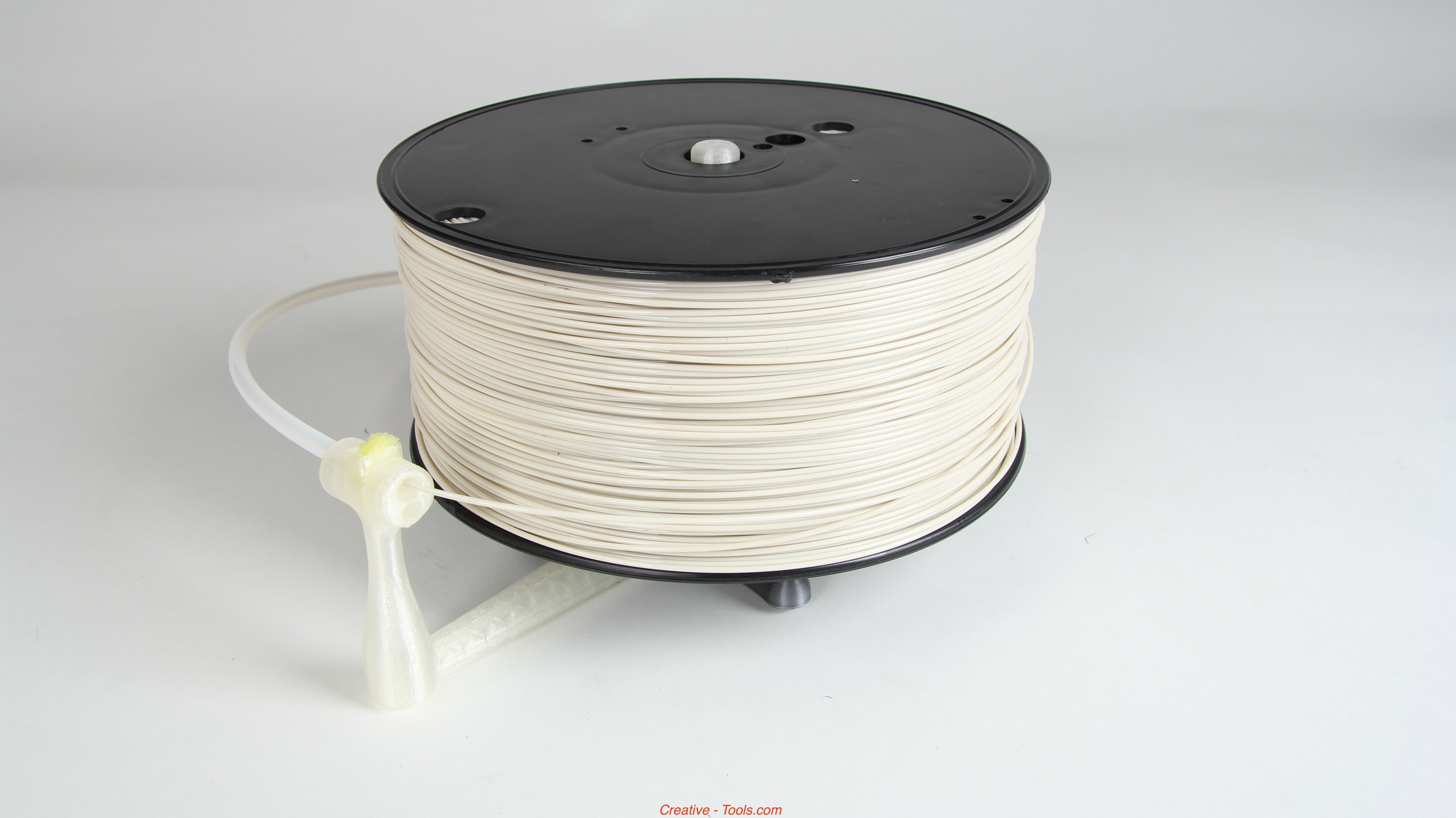
Where PETG can make sense
For a sheltered accessory or a prototype to check mounting holes, PETG can be a practical candidate. A successful indoor fit test tells you little about how the finished bracket will behave on a hot wall under a sustained load. For an installed part, compare the data for the actual filament with the expected conditions.
Design the enclosure as well as choosing the plastic
For a camera dome, ask where rain will collect, how the fixing screws load the rim and whether the cover will need to come off for servicing. A better fixing position or a drainage path may solve a problem that changing filament alone cannot. Robin’s ASA-CF camera dome is an example of choosing a material around an application. Carbon fibre in the name does not, by itself, predict how long a housing will last outside.
For a material discussion, send a photo of the installation site, the dimensions and the expected exposure. Tell us what the part supports and which features must still fit after a summer outdoors.
Material references: Prusa’s ASA guide and filament comparison table.


